Nutrition Blogs
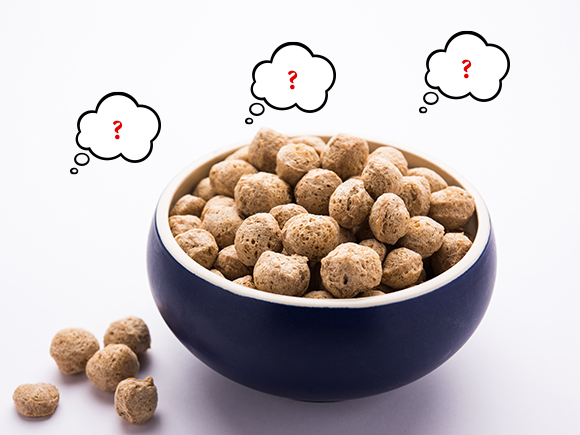
Soya has been part of traditional diets for centuries, yet it is often surrounded by confusion and misinformation. Despite being one of the most nutritious plant-based protein sources, many people hesitate to include soya in their diet due to common myths.
Let’s clear the air and look at the facts behind some of the most widely believed myths about soya.
Myth 1: Soya Causes Hormonal Imbalances
This is one of the most common misconceptions about soya. The confusion comes from the presence of isoflavones in soya, which are natural plant compounds sometimes referred to as phytoestrogens.
The truth is, these compounds are much weaker than the estrogen produced by the human body. Extensive research shows that consuming soya in normal dietary amounts does not disrupt hormone levels in men or women.
In fact, regular soya consumption may offer benefits such as supporting heart health and overall wellness. When eaten as part of a balanced diet, soya is safe for people of all ages.
Myth 2: Soya Is Bad for Thyroid Health
Another common concern is that soya negatively affects the thyroid. For healthy individuals, this is not true.
Soya does not cause thyroid problems. However, it may slightly interfere with the absorption of thyroid medication if consumed at the same time. People who are on thyroid medication can safely eat soya by keeping a gap of a few hours between their medicine and soya-based meals.
For the general population, soya is perfectly safe and nutritious when consumed in moderation.
Myth 3: All Soya Is Genetically Modified and Unhealthy
While genetically modified (GM) soya exists globally, not all soya products are genetically modified. Both GM and non-GM soya are considered safe for consumption and have similar nutritional profiles.
For consumers who prefer natural options, non-GMO soya products are widely available. Soya Sakthi uses non-GMO soya seeds, ensuring purity, quality, and peace of mind for health-conscious consumers.
Myth 4: Soya Is Only for Vegetarians and Vegans
Soya is often seen as a “vegetarian food,” but in reality, it is suitable for everyone.
Soya provides a complete protein, making it a great addition to any diet—whether you eat meat or not. It’s an excellent way to diversify protein intake and reduce dependence on animal-based foods without compromising nutrition.
From soya chunks and flour to tofu and soya milk, these foods can easily be included in everyday meals.
Myth 5: Soya Is Highly Processed and Unhealthy
Not all processed foods are unhealthy. Products like soya chunks and soya flour are processed to improve texture and usability while retaining their nutritional value.
When sourced and manufactured responsibly, soya products remain rich in protein, fibre, and essential nutrients. Choosing trusted brands ensures you receive both quality and nutrition.
Final Thoughts
Many of the concerns surrounding soya are based on outdated or incomplete information. The reality is that soya:
- Does not cause hormonal imbalance
- Is safe for thyroid health when consumed responsibly
- Is available in non-GMO options
- Is suitable for all dietary preferences
At Soya Sakthi, we focus on providing high-quality, non-GMO soya products that deliver 52% high-quality protein, supporting active and healthy lifestyles.
By understanding the facts, you can confidently include soya in your daily diet and enjoy its wide range of health benefits.

Follow Us
© ABT Consumer Products ( A Division of A B T Limited )
, All rights reserved.