Nutrition Blogs
Introduction
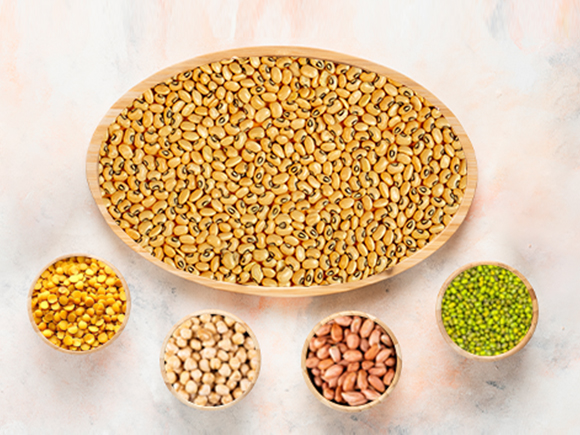
Plant-based diets are becoming increasingly popular due to their health benefits, sustainability, and ethical appeal. With more people choosing plant proteins, options like pea, rice, lentils, and soya have gained attention. Among them, soya stands out for its nutritional strength. But how does it really compare with other plant-based proteins?
In this blog, we take a closer look at soya protein and compare it with other common plant-based protein sources to help you make an informed choice.
Nutritional Profile of Soya Protein
Soya protein is derived from soybeans and is considered a complete protein, meaning it provides all nine essential amino acids that the body cannot produce on its own. This makes it one of the most nutritionally balanced plant-based proteins.
Approximate nutritional value per 100 grams of soya chunks:
- Protein: ~52 g
- Carbohydrates: ~30 g
- Fats: ~1 g
- Fibre: ~1–2 g
- Iron: ~10 mg
- Calcium: ~300 mg
Soya is also rich in isoflavones, natural plant compounds with antioxidant properties that support heart health and overall well-being.
Comparison with Other Plant-Based Proteins
1. Pea Protein
Pea protein is extracted from yellow split peas and is commonly used by people who prefer soy-free options.
Pros:
- High in branched-chain amino acids (BCAAs), which support muscle recovery
- Easy to digest
- Naturally free from common allergens
Cons:
- Not a complete protein (low in methionine)
- Often needs to be combined with other proteins for balance
2. Rice Protein
Rice protein is usually combined with pea protein to create a more complete amino acid profile.
Pros:
- Hypoallergenic and gentle on digestion
- Suitable for people with food sensitivities
Cons:
- Low in lysine
- Lower protein concentration compared to soya
3. Lentils and Other Legumes
Lentils, chickpeas, and beans are traditional protein sources widely used in everyday diets.
Pros:
- High in fibre and complex carbohydrates
- Affordable and easily available
- Rich in vitamins and minerals
Cons:
- Incomplete protein on their own
- Require soaking and cooking
Why Soya Protein Stands Out
When compared with other plant-based proteins, soya offers several clear advantages:
- Complete protein: Contains all essential amino acids
- High protein density: One of the richest plant protein sources
- Versatile: Available as soya chunks, flour, tofu, milk, and granules
- Heart-friendly: Naturally cholesterol-free and low in saturated fat
Soya chunks, in particular, deliver around 52% high-quality protein, making them ideal for active individuals and families looking to increase daily protein intake.
Final Thoughts: Which One Should You Choose?
If you are looking for a well-rounded, high-quality plant protein, soya is one of the best choices available. Its complete amino acid profile and high protein content give it an edge over most other plant-based proteins.
That said, variety is always beneficial. Including a mix of plant proteins like lentils, peas, rice, and soya can help support overall nutrition. The right choice depends on your lifestyle, dietary preferences, and health goals.
With versatile options like soya chunks and flour, brands like Soya Sakthi make it easy to enjoy the benefits of plant protein every day—without compromising on nutrition or taste.

Follow Us
© ABT Consumer Products ( A Division of A B T Limited )
, All rights reserved.